
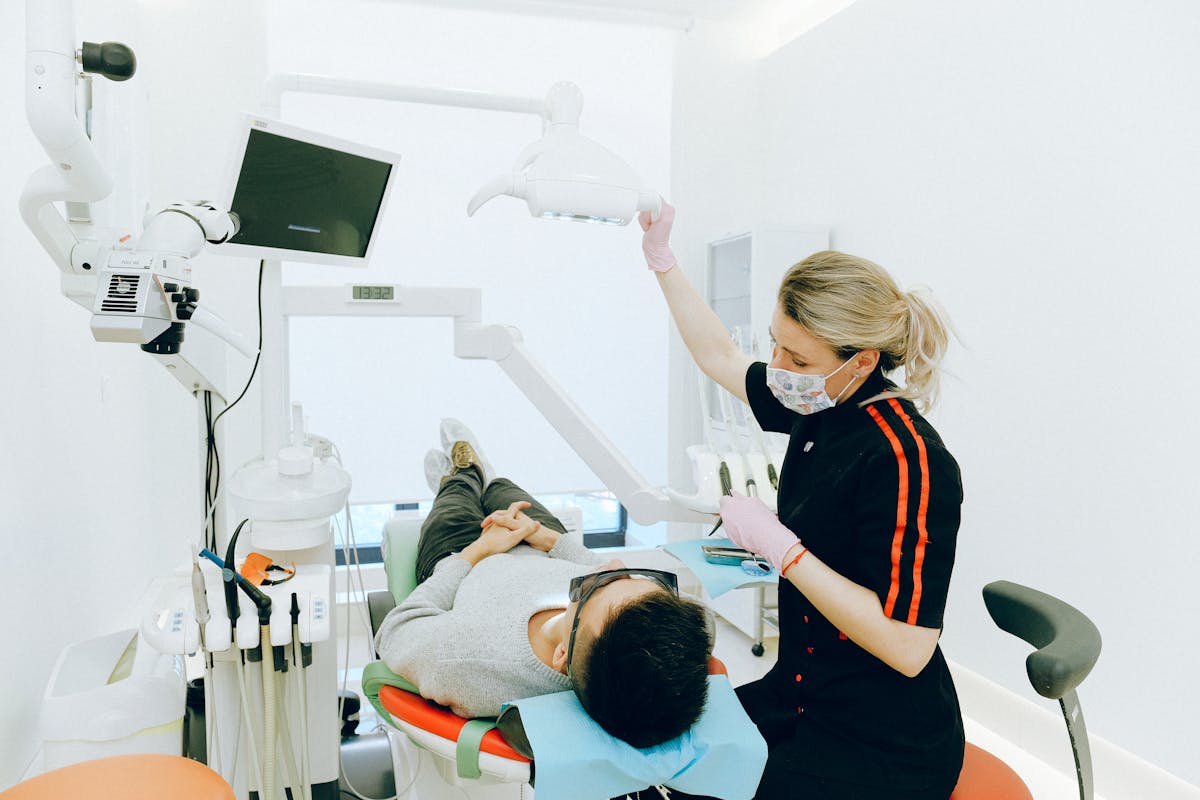
What is dental anxiety? Dental anxiety is a feeling of fear, stress, or unease associated with dental visits. It ranges from mild nervousness to severe phobia that prevents people from seeking care entirely. According to research published in the British Dental Journal, approximately 36% of adults experience dental anxiety, and 12% suffer from extreme dental fear.
If anxiety has kept you from the dentist, you are not alone. At Saratoga Smiles, we treat anxious patients every week, and we have built our practice around making necessary care feel manageable.
What Causes Dental Anxiety?
Dental anxiety typically stems from past negative experiences, fear of pain, feeling of loss of control while reclined in a chair, embarrassment about the condition of teeth, or sensitivity to sounds and smells associated with dental offices. For many patients, it is not one factor but a combination.
Thomas avoided the dentist for seven years after a painful extraction in his twenties. By the time he came to Saratoga Smiles, he needed three crowns and a deep cleaning. “The hardest part was making the phone call,” he told us. “Everything after that was easier than I expected.”
How Does Sedation Dentistry Help?
Sedation dentistry uses medication to help patients relax during dental procedures. At Saratoga Smiles, we offer IV sedation administered and monitored by trained professionals. Your vitals are tracked continuously throughout treatment.
IV sedation allows patients to remain in a deeply relaxed state while remaining responsive. Most patients report little to no memory of the procedure afterward. This is particularly beneficial for patients requiring extensive treatment, as multiple procedures can be completed in a single sedation appointment.
What Are Practical Strategies for Managing Dental Anxiety?
- Communicate your fears to our team before your appointment; we adjust our approach accordingly
- Schedule morning appointments when you are less likely to have built up anticipatory anxiety
- Bring headphones and listen to music or a podcast during treatment
- Practice slow, deep breathing; inhale for 4 counts, hold for 4, exhale for 4
- Start with a simple cleaning or exam to build trust before committing to larger procedures
What Should Anxious Patients Expect at Their First Visit?
Your first visit is designed to be low-pressure. We perform an examination, take X-rays, and have a conversation about your oral health. No treatment is performed on your first visit unless you specifically request it. Our team is experienced in working with nervous patients and will check in with you throughout.
Angela had not visited a dentist in over a decade. She scheduled a consultation specifically to meet the team and see the office before committing to treatment. “Just knowing I could leave at any point made it possible to stay,” she said. She completed her full treatment plan over three visits with sedation.
Frequently Asked Questions
Is sedation dentistry safe?
Yes. IV sedation is administered by trained professionals with continuous vital sign monitoring. It has an excellent safety record when performed in a clinical setting.
Will I be unconscious during sedation?
No. IV sedation produces deep relaxation, not general anesthesia. You remain responsive but very comfortable, and most patients remember little afterward.
How common is dental anxiety?
Very common. Research shows 36% of adults experience dental anxiety and 12% have extreme dental fear. It is a recognized condition, not a character flaw.
Can I overcome dental anxiety permanently?
Many patients find that positive dental experiences gradually reduce their anxiety. Starting with a supportive, patient-first practice is the most important step.
Do not let anxiety prevent you from getting the care you need. Call Saratoga Smiles at (518) 584-5060 or request an appointment.
Reviewed by Dr. Richard Dennis, Saratoga Smiles, 6 Carpenter Lane, Saratoga Springs, NY 12866.